I ask my 1302 students to respond to some simple questions about Day 1, which is often the first time that college students have ever heard "rhetoric" (though they should have been introduced in 1301, but that's another discussion). I include the students responses below and in a future post, I will provide feedback as best as I can. Based on student #1, especially, I intend to review basics history and terms, and then emphasize the importance to appreciate rhetoric in local communities.
 |
| Adbusters |
1. What did I learn about rhetoric today?
R can be frowned by. Is a performance that can be interpreted and evaluated in specific contexts. Rhetoric is local (Aldine). R is a term not agreed upon. There is no true definition of R. Requires a community effort to understand. Greeks. R is the way -- us -- the community, not the leaders and politicians use it. R theory is continually evolving. R is underrated. People don't really know what R is. Dead philosophers gave R different meanings. R is not an English class. When I heard term R before, others were using the word wrong. People often misuse the term R. R is everywhere. R = communication. R is what make it out to be in your opinion. R theory isn't as complicated as I thought. One obtains information and how others react. R is people's perception and influence. R can be oral, visual, written, and material. Old white men's ideas are outdated. Classical rhetoric was used by the elite.
 |
| WikiMedia Commons |
2. What did I not quite understand about R today?
What does "interpreted and evaluated" mean? How does R reflect my community? What is the significance of R today? How does this affect individuals? What is the use of it? How does effect us? Terms such as kairos? How does R use in speaking? How to properly explain R? Why do others (such as politicians) misuse the term? Why do the definitions shift over centuries? Is R a persuasion or a discourse? What are the characteristics of good R? How can R be interesting? What about those dead Europeans? How do some people never change when disagreements?
 |
| WikiMedia Commons |
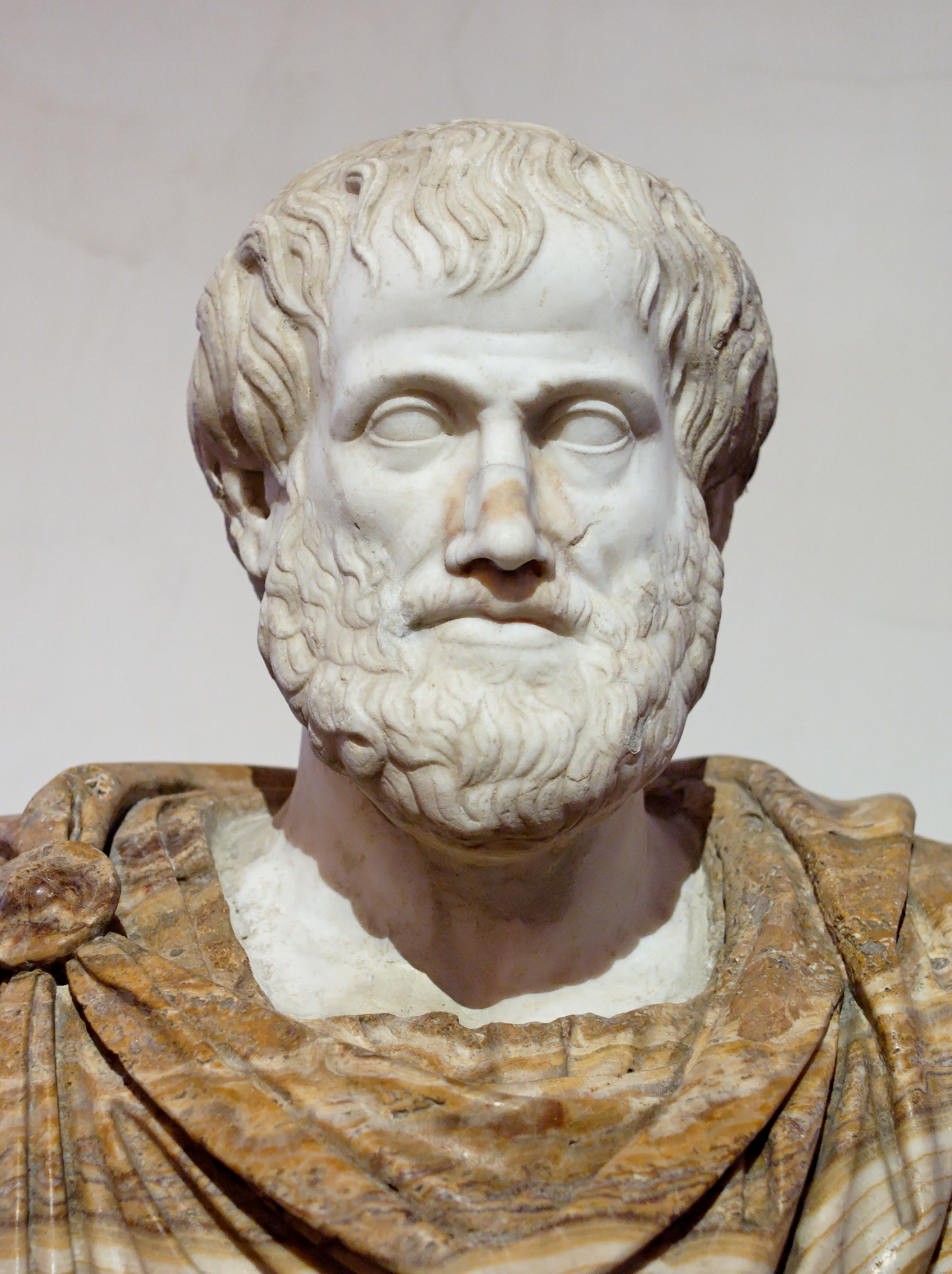
3. What would Professor Martin Review in our next meeting?
Review basics. Public sphere theory. Background of rhetoric. Rhetoric narratives and effective writing. Life after Harvey hurricane and normalcy in Aldine. Sharing ideas from other students. Kairos. More rhetoric. Writing process stages. How to change the syllabus. Aristotle. Community discourse.
 |
| Max Pixel, Labeled for Reuse |
4. Name one personal strength that will show your success in this rhetorical course:
Diction. Hardworking. Convincing words. Open-minded. Confidence. Ability to talk. Ability to adapt. Enjoying research. Love myself. Focused. Quick learner. Being productive. Writing preparation. Public talking. Outspoken. Determination. Real world problems. Seeing different point of views. Knowledge of Aldine. Analytical. People person. Information master. Music. Discipline. Love for writing. Understanding. Learning new subjects.
Follow
Professor Martin's Twitter account for more resources on rhetoric, writing, and local resources.
Comments
Post a Comment